
When the skin needs less, not more.
Care may focus on comfort, simple hydration, and protecting the skin barrier. Whether a service is appropriate depends on the skin, treatment timing, symptoms, and guidance from the medical team.
The heart of KDL Aesthetics
Cancer treatment can make familiar skin feel unfamiliar. Lynn brings certification in oncology aesthetics, 20 years of experience, and a gentle, adaptive approach to each private visit.
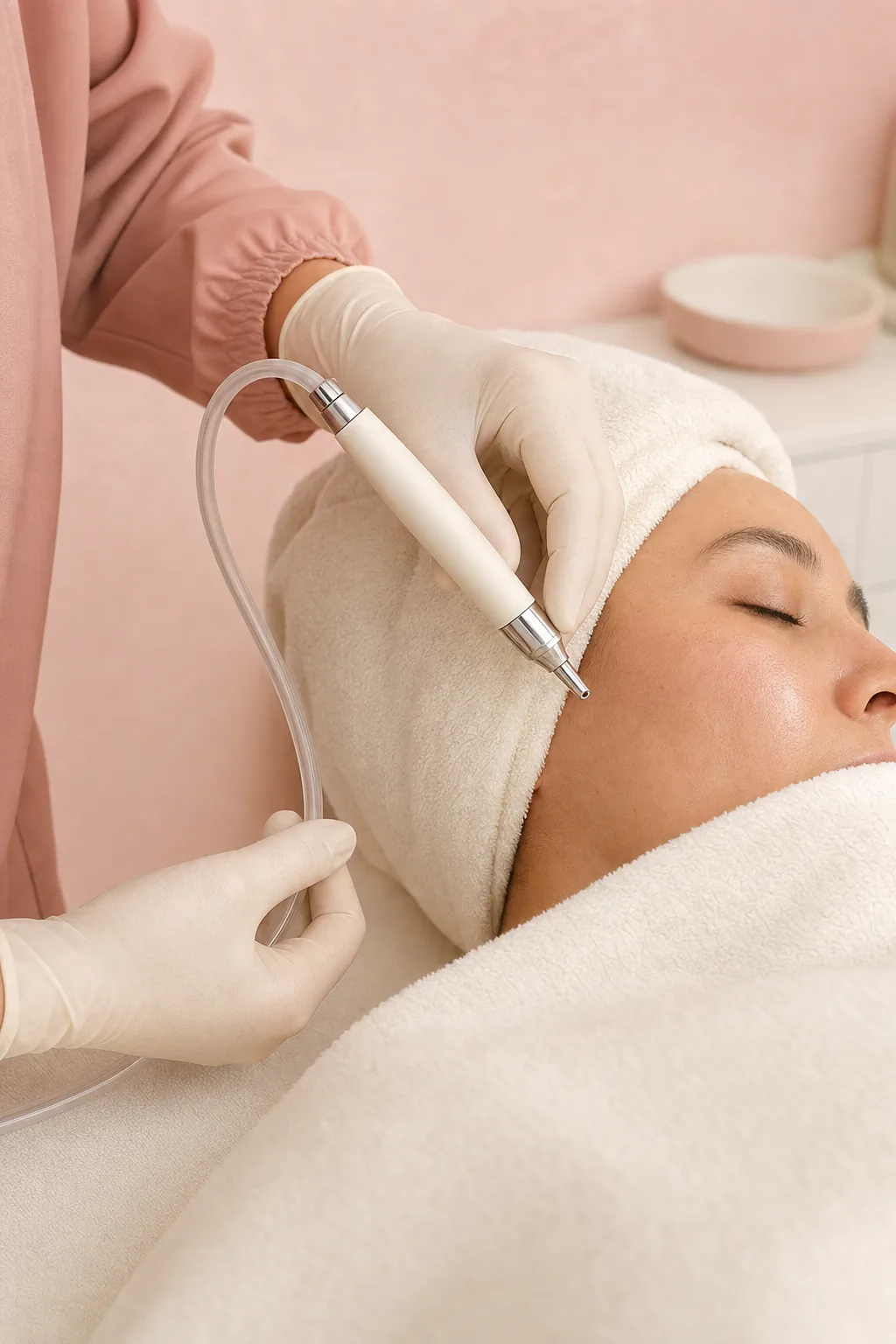
Who this care is for
During treatment · After treatment · In recoveryOncology aesthetics is supportive skincare for people whose skin may be changed by chemotherapy, radiation, surgery, medication, or recovery. It is never a substitute for medical care.
Some women notice dryness, tightness, itching, flushing, tenderness, peeling, or sensitivity to products they once used comfortably. Others simply want a quiet setting where each step can be explained and adjusted. No two treatment courses or skin responses are assumed to be the same.
Care may focus on comfort, simple hydration, and protecting the skin barrier. Whether a service is appropriate depends on the skin, treatment timing, symptoms, and guidance from the medical team.
Recovery does not follow a fixed schedule. Products and techniques are reintroduced only as the skin and overall comfort allow.
A private consultation creates space to talk about what has changed, what feels tender, what you are using at home, and what your medical team has already advised. The goal is a clear, calm plan, not more pressure.
Lynn also cares for the mothers, daughters, partners, and friends walking beside someone through treatment. Caregiving is its own kind of exhaustion. An hour of quiet, restorative facial care is a legitimate form of support, and caregivers are welcome here in their own right.
What makes the approach different
A traditional facial may follow a set order. Oncology-aware care stays flexible from beginning to end. Any step can change, pause, or be left out.
Selections respond to current sensitivity, dryness, fragrance tolerance, and skin integrity.
Touch can be reduced, redirected, or removed wherever comfort calls for it.
Heat, steam, towels, and room warmth are considered rather than automatically included.
The length and pace of the visit can change with energy, comfort, and the skin that day.
Pillows, elevation, breaks, and movement can be adjusted throughout the appointment.

Your visit with Lynn
The plan is made with you, not around you. You can ask what is being used, request an adjustment, skip a step, pause, or stop at any point.
Share current or recent treatment, skin changes, products used at home, tenderness, and medical guidance relevant to the visit.
Lynn looks at the skin’s visible condition without diagnosing a medical concern.
The service is shaped around skin integrity, comfort, energy, positioning, and treatment context.
Home care may be reduced to a few clear choices, with anything new introduced gradually when appropriate.
If skin appears too fragile, broken, inflamed, or otherwise concerning, care may be postponed and the question returned to your oncology team or dermatologist. Painful or rapidly changing rashes, blistering, broken or weeping skin, marked swelling, burning, or signs of infection belong with your medical team before an aesthetic appointment.
Oncology aesthetics questions
If you are uncertain whether an appointment is appropriate, begin with a consultation and include any guidance already given by your medical team.
Products, pressure, temperature, timing, positioning, and technique are adapted for skin that may be dry, reactive, fragile, or slower to recover. Unnecessary steps are left out.
Possibly, but consultation comes first. Lynn reviews timing, skin condition, comfort, side effects, and guidance from your medical team before deciding whether care should proceed, change, or wait.
Your first message only needs to say that you would like a consultation. Private medical details can wait for a direct conversation.
Painful or rapidly changing rashes, blistering, broken or weeping skin, marked swelling, burning, or signs of infection should return to the oncology team or a dermatologist before an aesthetic visit.
KDL Aesthetics is located in Franklin, MA 02038 and serves women from Foxborough, Bellingham, Medway, Wrentham, Norfolk, Walpole, and Milford. See the local oncology aesthetics page for the Franklin area for more on proximity, community, and what clients in the surrounding towns can expect. For clients coming from Wrentham specifically, see the Oncology Facial near Wrentham, MA page for details on the service and travel from that town.
Begin privately
Your initial request can stay brief. Lynn will follow up directly so the details can be discussed in a more private setting.